How to Install Anaconda on Ubuntu 20.04

Anaconda is a popular Python/R data science and machine learning platform, used for large-scale data processing, predictive analytics, and scientific computing.
Anaconda distribution ships with 250 open-source data packages, and more than 7,500 additional packages can be installed from the Anaconda repositories. It also includes the conda command-line tool and a desktop graphical user interface called Anaconda Navigator.
This tutorial will walk you through the installation of Anaconda Python Distribution on Ubuntu 20.04.
Installing Anaconda
At the time of writing this article, the latest stable version of Anaconda is version 2020.02. Before downloading the installer script, visit the Downloads page and check if there is a new version of Anaconda for Python 3 available for download.
Complete the following steps to install Anaconda on Ubuntu 20.04:
Anaconda Navigator is a QT-based GUI. If you are installing Anaconda on a desktop machine and you want to use the GUI application, install the following packages. Otherwise, skip this step.
Terminalsudo apt install libgl1-mesa-glx libegl1-mesa libxrandr2 libxrandr2 libxss1 libxcursor1 libxcomposite1 libasound2 libxi6 libxtst6Download the Anaconda installation script with your web browser or
wget:Terminalwget -P /tmp https://repo.anaconda.com/archive/Anaconda3-2020.02-Linux-x86_64.shThe download may take some time depending on your connection speed.
This step is optional, but it is recommended to verify the data integrity of the script.
Use the
sha256sumcommand to display the script checksum:Terminalsha256sum /tmp/Anaconda3-2020.02-Linux-x86_64.shThe output should look like this:
output2b9f088b2022edb474915d9f69a803d6449d5fdb4c303041f60ac4aefcc208bb /tmp/Anaconda3-2020.02-Linux-x86_64.shMake sure the hash printed from the command above matches the one available at the Anaconda with Python 3 on 64-bit Linux page for your appropriate Anaconda version.
urlhttps://docs.anaconda.com/anaconda/install/hashes/Anaconda3-2020.02-Linux-x86_64.sh-hash/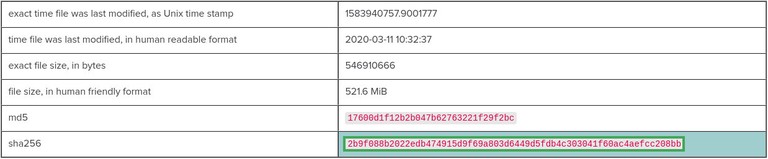
Run the script to start the installation process:
Terminalbash /tmp/Anaconda3-2020.02-Linux-x86_64.shYou should see an output like the following:
outputWelcome to Anaconda3 2020.02 In order to continue the installation process, please review the license agreement. Please, press ENTER to continue >>>Press
ENTERto continue. To scroll through the license, use theENTERkey. Once you’re done reviewing the license, you’ll be asked to approve the license terms:outputDo you approve the license terms? [yes|no]Type
yesto accept the license, and you’ll be prompted to choose the installation location:outputAnaconda3 will now be installed into this location: /home/linuxize/anaconda3 - Press ENTER to confirm the location - Press CTRL-C to abort the installation - Or specify a different location belowThe default location should be fine for most users. Press
ENTERto confirm the location.The installation may take some time, and once completed, the script will ask you whether you want to run
conda init. Typeyes.outputInstallation finished. Do you wish the installer to initialize Anaconda3 by running conda init? [yes|no]This will add the command-line tool
condato your system’sPATH.To activate the Anaconda installation, you can either close and re-open your shell or load the new
PATHenvironment variable into the current shell session by typing:Terminalsource ~/.bashrcTo verify the installation type
condain your terminal.

That’s it! You have successfully installed Anaconda on your Ubuntu machine, and you can start using it.
If you installed Anaconda on a Desktop system, open the Navigator GUI by entering anaconda-navigator in your terminal:

Updating Anaconda
Updating the Anaconda is a pretty straight forward process. Open your terminal and enter:
conda update --allIf there are updates, conda will display a list and prompt you to confirm the update:
The following packages will be UPDATED:

  anaconda-navigator                          1.9.12-py37_0 --> 1.9.12-py37_1
  conda                                        4.8.2-py37_0 --> 4.8.3-py37_0
  conda-package-han~                   1.6.0-py37h7b6447c_0 --> 1.6.1-py37h7b6447c_0


Proceed ([y]/n)?
It is a good idea to update your Anaconda installation regularly.
Uninstalling Anaconda
If you want to uninstall Anaconda from your Ubuntu system, remove the Anaconda installation directory and all other files that have been created during the installation:
rm -rf ~/anaconda3 ~/.condarc ~/.conda ~/.continuumOpen the ~/.bashrc
file and remove the Anaconda directory from the PATH environment variable:
# >>> conda initialize >>>
# !! Contents within this block are managed by 'conda init' !!
__conda_setup="$('/home/linuxize/anaconda3/bin/conda' 'shell.bash' 'hook' 2> /dev/null)"
if [ $? -eq 0 ]; then
    eval "$__conda_setup"
else
    if [ -f "/home/linuxize/anaconda3/etc/profile.d/conda.sh" ]; then
        . "/home/linuxize/anaconda3/etc/profile.d/conda.sh"
    else
        export PATH="/home/linuxize/anaconda3/bin:$PATH"
    fi
fi
unset __conda_setup
# <<< conda initialize <<<
Conclusion
We’ve shown you how to install Anaconda on Ubuntu 20.04. You should now check the official Getting started with conda guide.
If you hit a problem or have feedback, leave a comment below.
Linuxize Weekly Newsletter
A quick weekly roundup of new tutorials, news, and tips.
About the authors

Dejan Panovski
Dejan Panovski is the founder of Linuxize, an RHCSA-certified Linux system administrator and DevOps engineer based in Skopje, Macedonia. Author of 1000+ Linux tutorials with 20+ years of experience turning complex Linux tasks into clear, reliable guides.
View author page