Articles by Dejan Panovski
How to Add and Delete Users on Debian 13
Create, delete, and lock user accounts on Debian 13 using adduser, deluser, and usermod, with practical examples for each command.

How to Create a sudo User on Debian
Create a sudo user on Debian 11, 12, and 13 by adding a new account and granting sudo privileges through the sudo group or the sudoers file.

pnpm Command: Install and Manage Node.js Packages
This pnpm command guide covers installation, project setup, dependency management, scripts, lockfiles, npm migration, and workspace filtering.

How To Create a Sudo User on Ubuntu
Create a sudo user with a home directory on Ubuntu 22.04, 24.04, or 26.04 using adduser and usermod, then verify the account has sudo access.

How to Run Sudo Command Without Password
Configure the sudoers file or a drop-in file in /etc/sudoers.d to let a user or group run sudo commands without a password prompt.

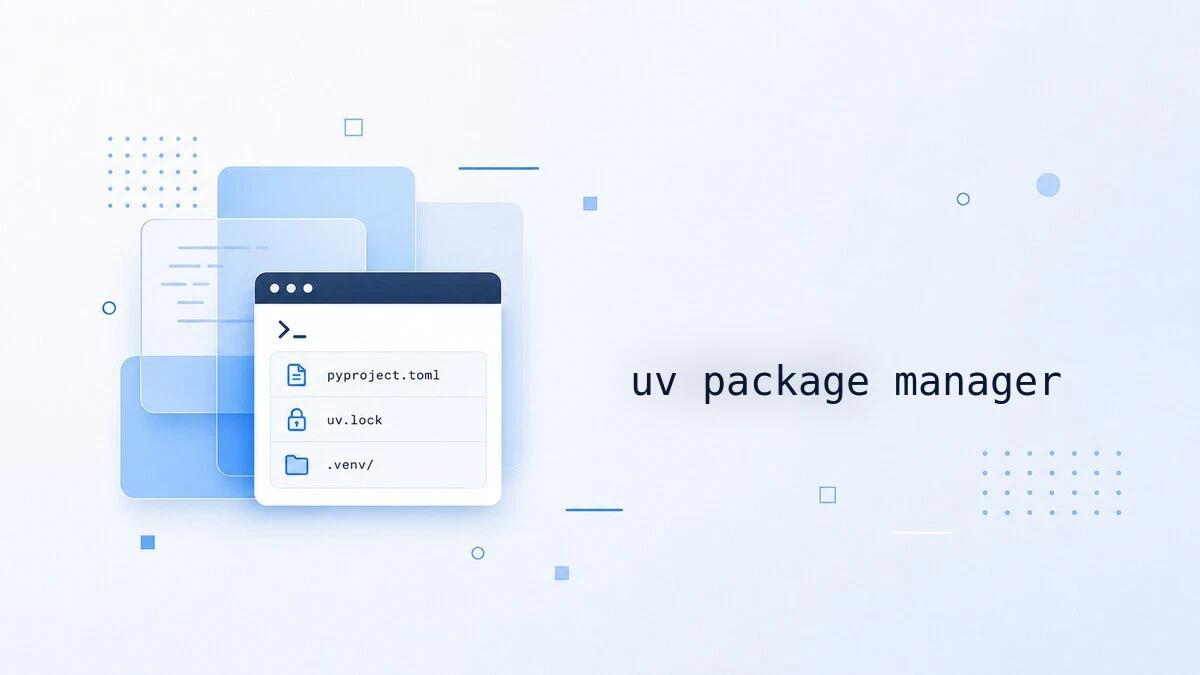
How to Install and Use uv: Fast Python Package Manager
Install uv on Ubuntu, Debian, and other Linux distributions, then use it to create projects, add dependencies, manage virtual environments, and install Python versions.
How to Add User to Sudoers in Debian
Grant sudo privileges in Debian by adding a user to the sudo group or configuring a custom sudoers rule with visudo. Covers Debian 12 and 13.

How to Add a User to Sudoers in Ubuntu
Grant sudo privileges in Ubuntu by adding a user to the sudo group or editing the sudoers file. Step-by-step examples and common errors.

How to Enable SSH on Ubuntu
Enable SSH on Ubuntu by installing OpenSSH Server, checking the correct systemd unit, allowing it through UFW, and connecting from Linux, macOS, or Windows.

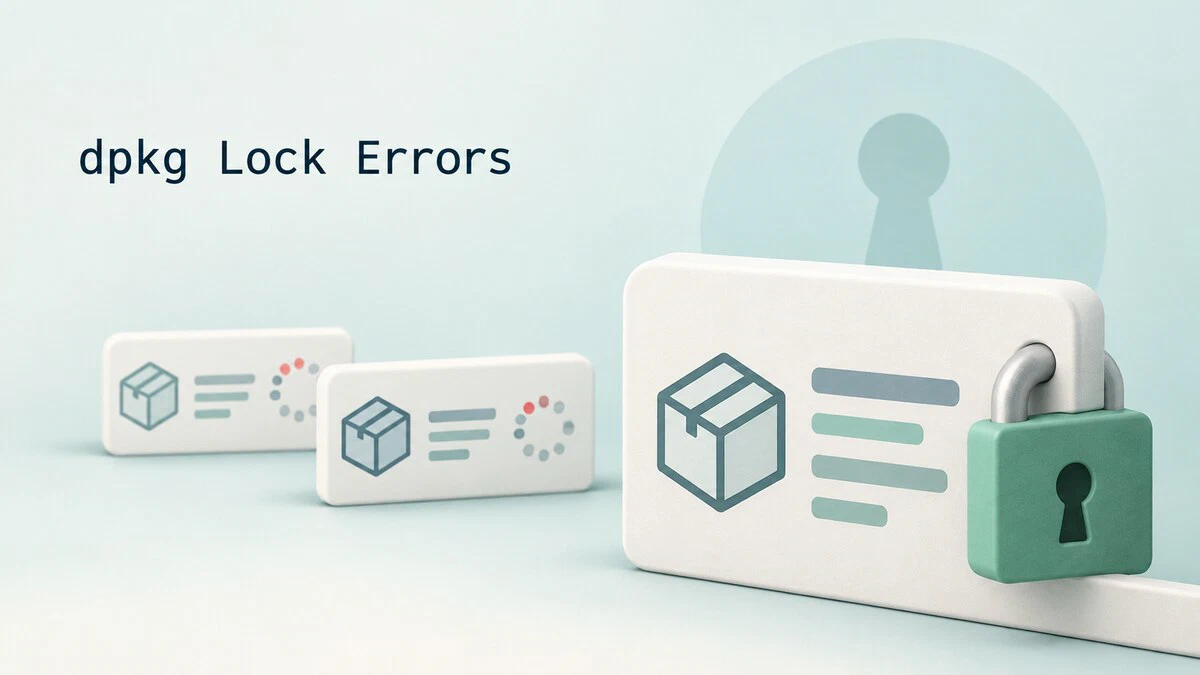
How to Fix APT and dpkg Lock Errors on Ubuntu and Debian
Resolve APT and dpkg lock errors safely on Ubuntu and Debian by finding the process holding the lock and repairing interrupted package operations.
How to Start, Stop, and Restart Apache on Linux
Manage the Apache web server with systemctl on Ubuntu, Debian, Fedora, and RHEL. Covers start, stop, restart, reload, status, enable on boot, and config testing.

Bash For Loop: Syntax and Examples
A complete guide to the Bash for loop: standard syntax, C-style loops, arrays, ranges, break and continue, and real-world scripting examples.

How to Start, Stop, or Restart Nginx
Learn how to start, stop, restart, and reload Nginx using systemctl on Linux. Includes the reload vs restart difference, configuration testing, and autostart setup.

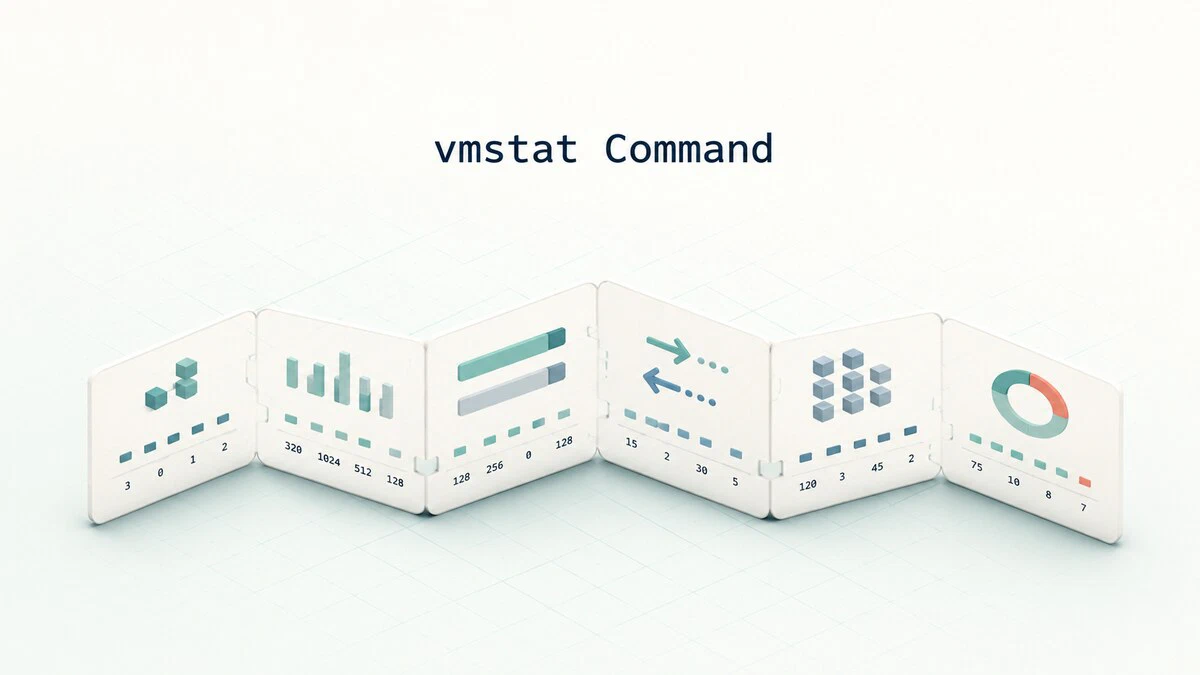
vmstat Command in Linux: Memory, CPU, and I/O Statistics
Use vmstat to monitor Linux CPU, memory, swap, processes, and disk I/O. This guide explains each column, live sampling, timestamps, and disk statistics.
rm Command in Linux: Remove Files and Directories
Use the rm command in Linux to delete files and directories, with examples for recursive removal, force mode, prompts, glob patterns, and safer rm -rf usage.

lsmod Command in Linux: List Kernel Modules
Display all currently loaded Linux kernel modules with lsmod. This guide covers output format, filtering, and related module management commands.

How to Remove (Delete) Files and Directories in Linux
Delete files and directories in Linux with rm, rmdir, unlink, and shred, plus bulk removal with find, safer confirmation prompts, and recoverable deletion.

ssh-copy-id Command: Copy SSH Keys to a Remote Server
How to use the ssh-copy-id command to copy your SSH public key to a remote server and set up passwordless login. Covers options, a manual fallback, and common errors.

ls Command in Linux: List Files and Directories
The ls command lists files and directories in Linux. See how to use ls -l, ls -al, hidden-file options, sorting, and other practical combinations.

Find Large Files in Linux: Using find and du
Find the largest files and directories in Linux using the find and du commands. Includes practical examples for sorting by size and cleaning up disk space.
