
Articles by Dejan Panovski
How to Install Claude Code on Ubuntu and Linux
Install Claude Code on Ubuntu, Debian, and other Linux distributions using the recommended native installer, official package-manager repositories, or npm.
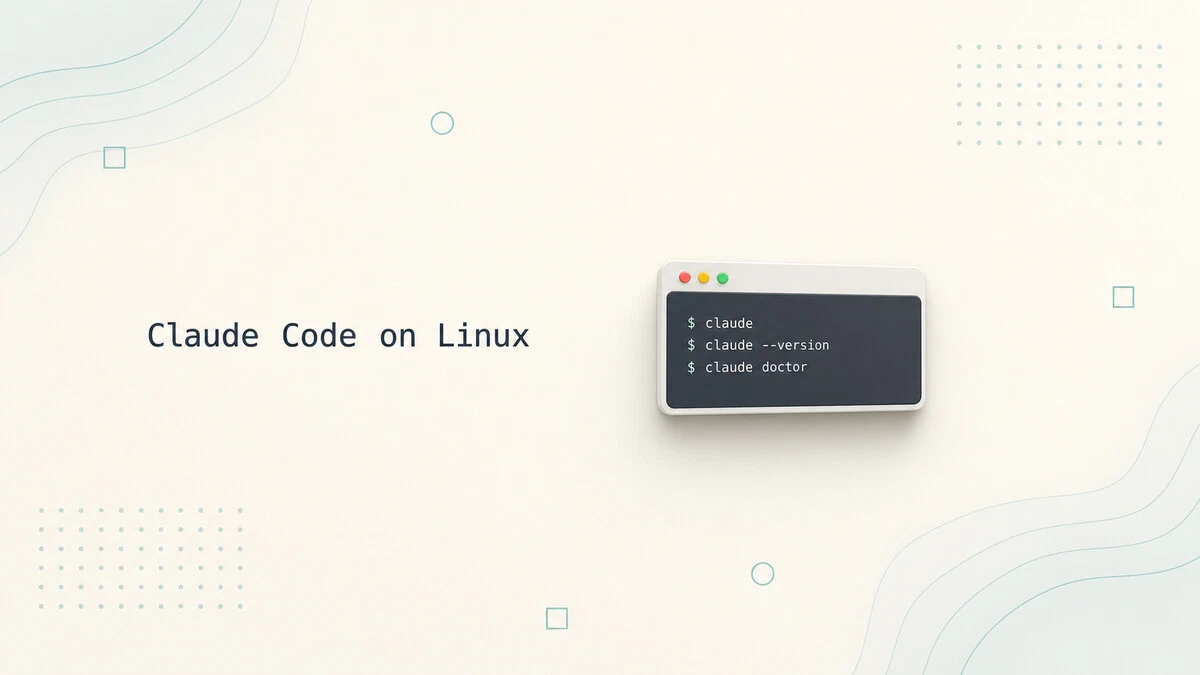
ffmpeg Command in Linux: Convert, Compress, and Extract Media
Practical ffmpeg examples for converting between formats, compressing video with CRF, extracting audio, trimming clips, resizing video, and batch processing files on Linux.
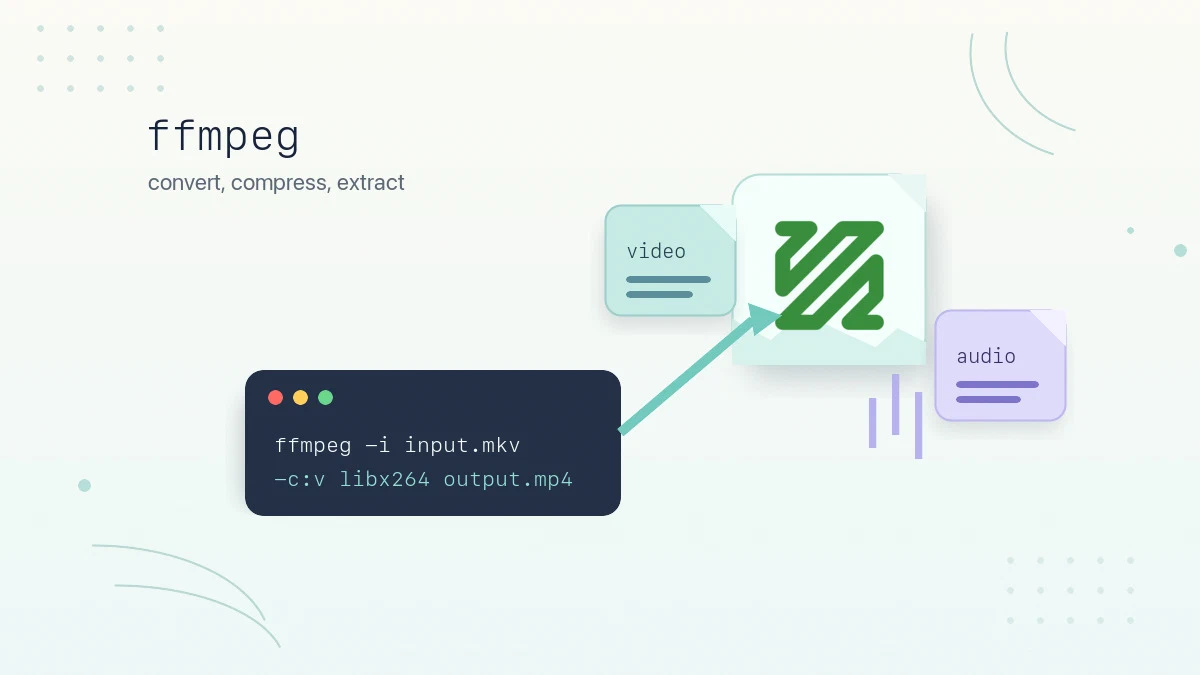
Bash if...else Statement
A complete guide to Bash if, if...else, and if...elif...else statements with practical examples, test operators, and one-line syntax.

Fix npm E401: Unable to Authenticate
Resolve the npm E401 'Unable to authenticate' error by fixing stale tokens, registry mismatches, and broken .npmrc auth settings for public and private registries.
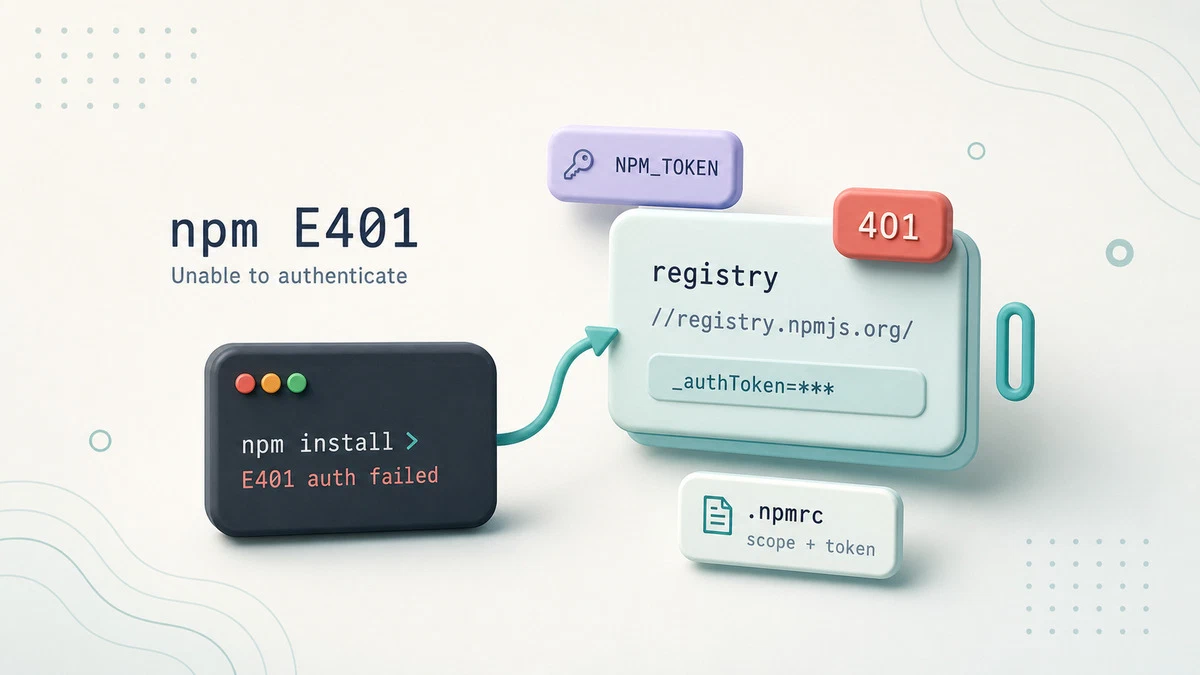
du Command in Linux: Check Disk Usage
The du command reports disk space used by files and directories. This guide covers human-readable output, summary totals, depth limiting, sorting by size, and practical examples.
How to Install and Use Super Productivity on Linux
Install Super Productivity on Linux with Flatpak, Snap, AppImage, deb, rpm, Docker, or source, then create your first task and start tracking time.

Bash case Statement: Match Patterns in Shell Scripts
The Bash case statement matches a value against a list of patterns and runs the corresponding block. This guide explains argument parsing, syntax, glob patterns, multiple matches, and fall-through behavior.

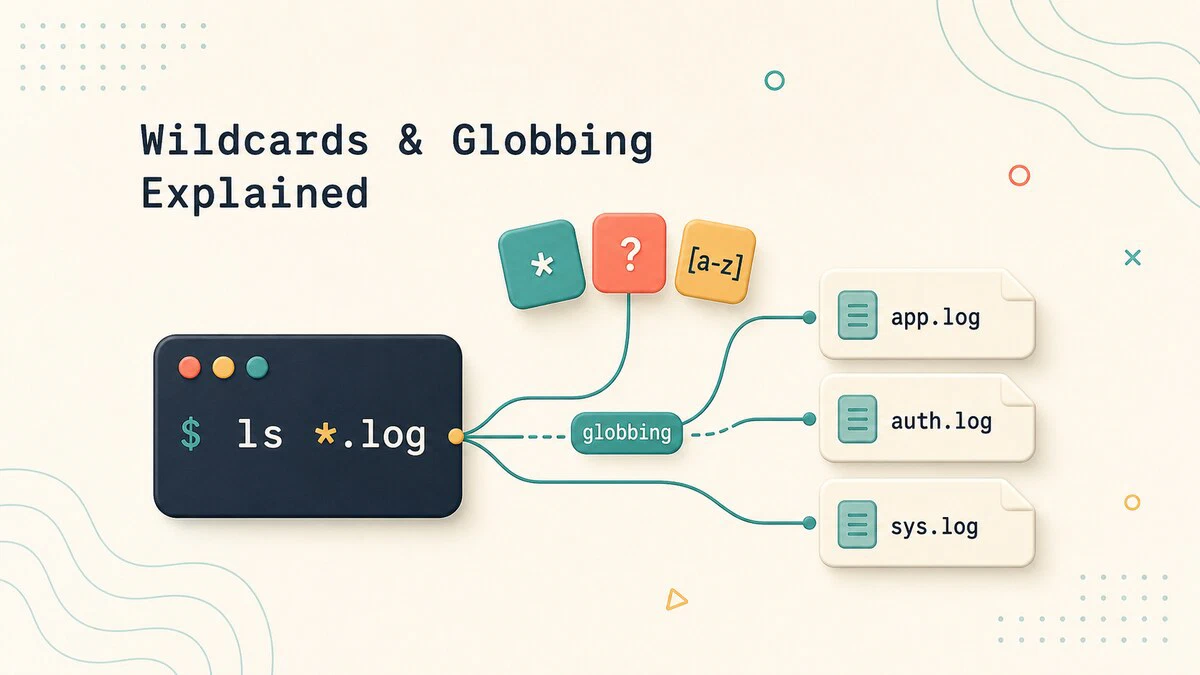
Linux Wildcards and Globbing Explained
How shell wildcards and globbing work in Linux: the *, ?, and [...] patterns, brace expansion, why globbing is not regex, and how to control it with quoting.
git diff Command: Compare Changes Between Commits and Branches
Use git diff to compare your working directory, staged files, commits, and branches, with practical examples of the options you will use most.
Bash Comparison Operators
Bash comparison operators compare numbers and strings with [ ], [[ ]], and (( )), including equal, not equal, greater-than, and pattern checks.
How to Use Nano, the Linux Command Line Text Editor
Learn the essential nano commands and keyboard shortcuts: open, save, and exit files, search and replace text, copy and paste, and use sudo nano to edit system files.

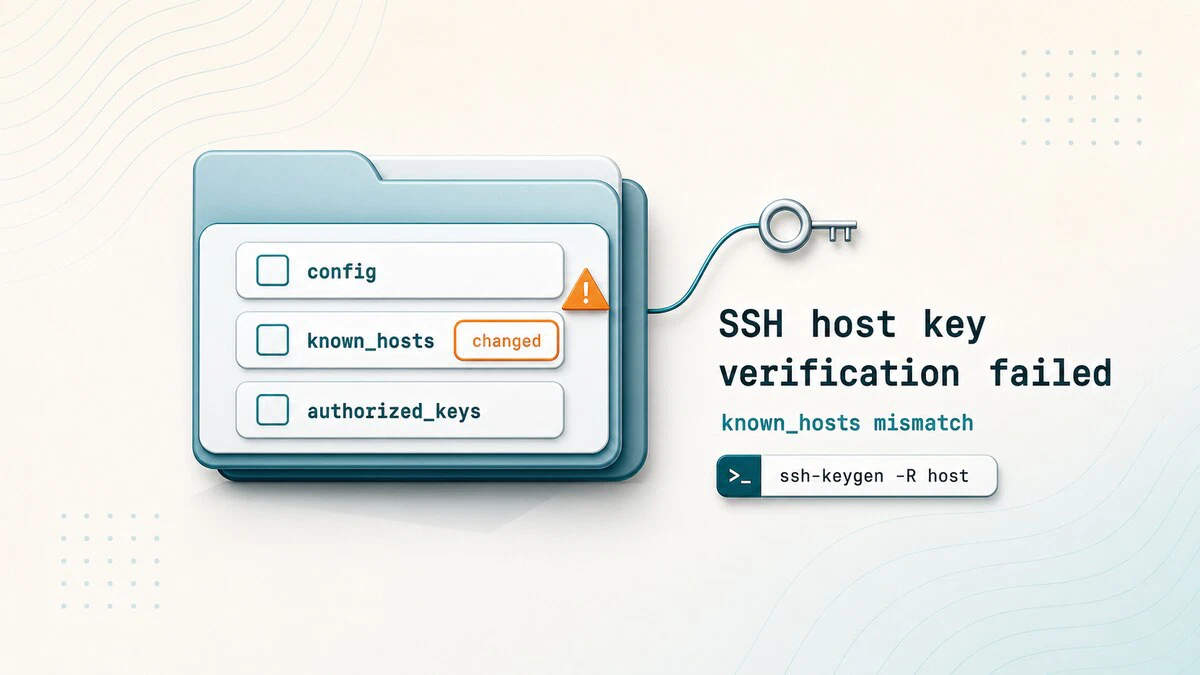
Fix SSH "Host Key Verification Failed" Error
Resolve the SSH Host key verification failed error by removing the stale known_hosts entry with ssh-keygen -R after verifying the server is genuine.
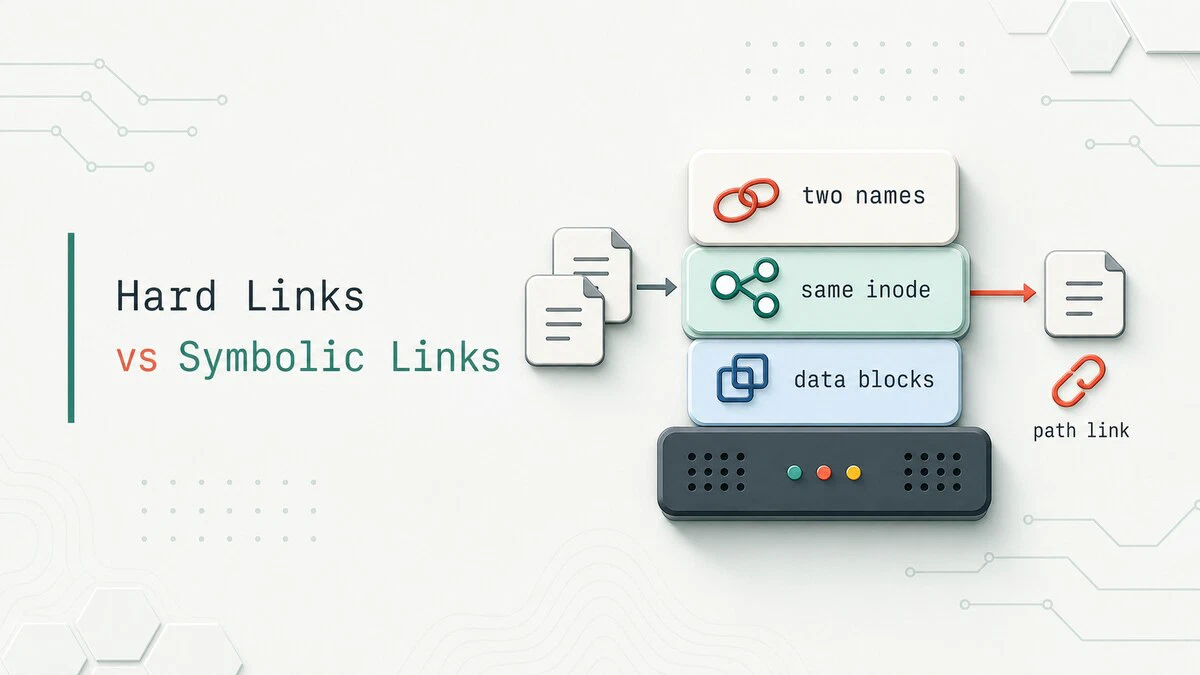
Hard Links vs Symbolic Links in Linux
Understand the difference between hard links and symbolic links in Linux: how inodes work, when each type breaks, and which one to use for a given task.
date Command in Linux: Format, Timezone, and Epoch
Format dates, convert timezones, and work with Unix timestamps using the Linux date command, with copy-paste examples for the terminal and shell scripts.
How to Mount an exFAT Drive on Ubuntu
Modern Ubuntu releases read and write exFAT drives out of the box. This guide shows how to mount exFAT USB drives and SD cards automatically or manually, install exfatprogs, set up an fstab entry, and fix common mount errors.

How to Install NVIDIA CUDA Toolkit on Ubuntu 26.04
Install the NVIDIA CUDA Toolkit on Ubuntu 26.04 from the Ubuntu archive or NVIDIA repository, then verify the driver, nvcc compiler, and CUDA sample output.

shutdown Command in Linux: Power Off, Reboot, and Schedule
How to use the shutdown command in Linux to power off, halt, or reboot the system immediately or at a scheduled time, with examples of all common options.

How to Check if a Command Exists in Bash
Check whether a command exists in Bash with command -v, capture its path, validate several dependencies, and compare type, hash, and which.
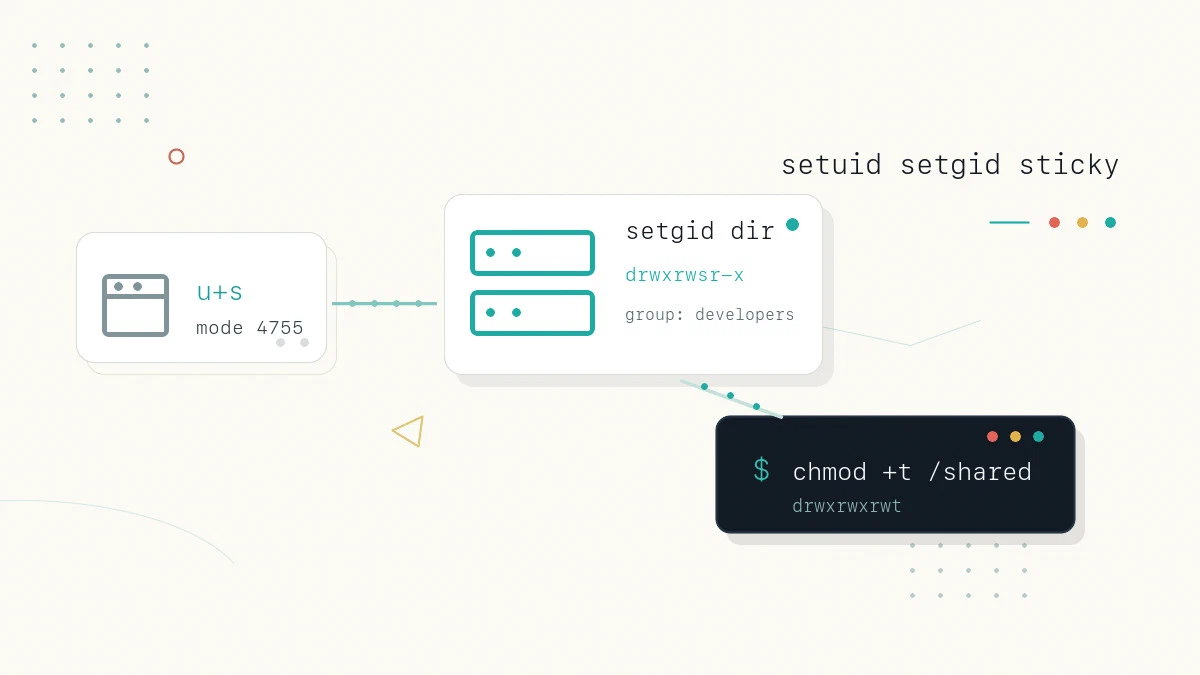
setuid, setgid, and the Sticky Bit Explained
Understand the setuid, setgid, and sticky bit special permissions in Linux: what each one does on files and directories, how to set them, and the security risks.
How to Comment in Python
Comments make Python code easier to read and maintain. This guide explains how to write single-line comments, multiline comments, docstrings, and the shebang line.
